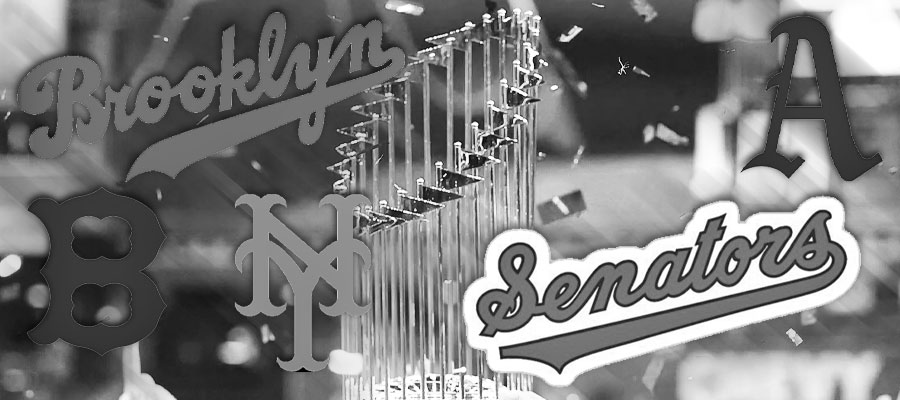
With all the historical background that MLB has in the United States, there were teams that changed their name, and even moved cities for different circumstances—those are the MLB Forgotten Champions.
Many fans did not like these changes, and with good reason, as they were left without representation in the MLB or had to travel thousands of miles to keep supporting their teams. Understanding these franchises provides context for how modern baseball markets, rivalries, and fanbases evolved.
Core takeaway in one sentence: Franchise relocation and rebranding shaped MLB history, leaving behind legendary teams that still influence today’s game.
What are the MLB Forgotten Champions that won the World Series?
Boston Braves, Philadelphia Athletics, Brooklyn Dodgers, New York Giants, and Washington Senators are among the most notable teams that once dominated the league but no longer exist in their original form.
Key Insight
Concept:
Franchise relocation and rebranding in MLB history.
Why it matters:
It explains how modern teams emerged and why certain markets lost historic franchises.
Visual Model
| Team | Modern Equivalent |
|---|---|
| Boston Braves | Atlanta Braves |
| Philadelphia Athletics | Oakland / Las Vegas Athletics |
| Brooklyn Dodgers | Los Angeles Dodgers |
| New York Giants | San Francisco Giants |
| Washington Senators | Minnesota Twins |
Boston Braves
Conference: National League
World Series: 1914
Franchise Evolution
- Boston Red Stockings → Beaneaters → Braves
- Moved to Milwaukee, then Atlanta
The Boston Braves were a foundational franchise in MLB history. After declining attendance due to competition from the Red Sox, the team relocated to Milwaukee and later to Atlanta, where they remain today as a powerhouse franchise.
Philadelphia Athletics
Conference: American League
World Series Wins: 5
Key Factors Behind Relocation
Financial issues:
Ownership instability and declining revenue.
Market pressure:
Competition with the Phillies reduced attendance.
After dominating early MLB, the Athletics moved from Philadelphia to Kansas City, then Oakland, and are now transitioning toward Las Vegas due to stadium and financial challenges.
Brooklyn Dodgers
Conference: National League
World Series: 1955
Historic Milestone
The Dodgers broke the racial barrier by signing Jackie Robinson, transforming baseball forever.
The Dodgers’ move to Los Angeles in 1957 reshaped MLB geography and marked the league’s expansion into the West Coast.
New York Giants
Conference: National League
World Series Wins: Multiple
Key Transition
Relocated to San Francisco in 1958, following the Dodgers westward.
The Giants maintained strong success after relocation and remain one of MLB’s most iconic franchises.
Washington Senators
Conference: American League
World Series: 1924
Legacy
The franchise eventually became the Minnesota Twins.
The Senators struggled financially and competitively, leading to relocation and rebranding.
Why These Teams Still Matter Today
Even though these franchises no longer exist in their original form, their legacy continues to shape MLB identity, rivalries, and betting dynamics. Understanding their history provides bettors and fans with deeper insight into franchise stability, market strength, and organizational culture.
Summary
- MLB franchises have frequently relocated due to financial and market pressures
- Historic teams still influence modern franchises and fanbases
- Understanding team evolution adds context for betting and analysis
FAQ
Why did MLB teams relocate?
Most relocations were driven by financial struggles, stadium issues, or better market opportunities.
Are these teams completely gone?
No, most evolved into modern franchises under different names and cities.
Does franchise history matter for betting?
Yes, it provides insight into organizational culture, fan support, and long-term performance trends.
Explore MLB Betting Insights
Learn how history impacts betting strategies and discover value angles in MLB betting markets.
Start Betting MLBFinal Thoughts
The story of MLB’s forgotten champions is not just about teams that disappeared—it’s about transformation. These franchises didn’t vanish; they evolved, relocated, and rebranded into some of the most recognizable teams in sports today. For fans, this history explains why loyalty can be complicated. For bettors, it highlights how market size, ownership decisions, and fan engagement directly influence team performance over time.
Understanding these patterns gives you an edge—not just in appreciating baseball history, but in identifying long-term trends that still affect betting lines, team valuation, and public perception. The past isn’t just nostalgia—it’s data.
MyBookie: Bet On Anything. Anywhere. Anytime.

About the Author

Since 2008, D.S. Williamson has written about sports and sports handicapping. His philosophy is value-based, meaning stats and other handicapping factors are only worth something in comparison to wagering odds. He believes money management and making value-based wagers is the single more important factor that distinguishes successful sports bettors from non-successful sports bettors.
Sportsbook Bonuses


Get your Expert Tips, Insights and Strategies in our Sports Betting Guide
- UFC Critical Betting Factors: Ronda Rousey vs Gina Carano & Fight Night Picks
- 10 Essential Factors to Consider When Analyzing NFL Betting Lines
- Critical Soccer Betting Factors for FA Cup Final Picks
- Handicapping NBA Injuries: How Injuries Move Betting Odds
- Learn How to Use Point Spreads in Football Betting?