English
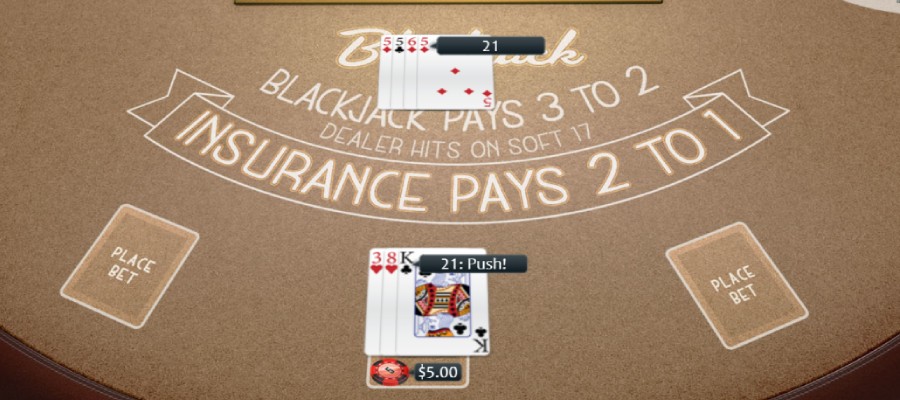
Blackjack can feel intimidating at first because many table rules are not always explained out loud. Once you understand the basic etiquette, betting flow, and player responsibilities, the game becomes much easier to follow and a lot less stressful.
The key idea is simple: respect the table procedure, avoid touching active bets or cards at the wrong time, and learn the strategy decisions that help reduce the house edge. These blackjack betting dos and don’ts will help you play with more confidence from your first hand onward.
Quick Answer: The Dos and Don’ts of Blackjack Betting
The most important blackjack betting dos and don’ts are to wait until a hand is over before joining the table, never touch your chips after placing a bet, follow the correct card-handling rules, and use basic strategy whenever possible. Good etiquette keeps the game moving smoothly, while proper strategy helps reduce the house edge.
Editorial Note
This guide explains blackjack table etiquette, betting procedures, and basic strategy concepts to help players understand how the game is played. It is intended for educational purposes only and does not guarantee winning outcomes.
The Dos and Don’ts of Blackjack Betting: Understand Basic Table Etiquette
Blackjack etiquette matters because the game moves in a fixed order and the dealer must clearly see every betting action. Small mistakes like placing cash at the wrong time or touching chips after betting can create confusion for the dealer and frustration for the table. Players who are still learning the game can also review the relevant rules and procedures before sitting down at a live table.
Key Insight
What to do:
Wait until the current hand is over before taking a seat, buying chips, or arranging a new bet.
Why it matters:
Blackjack depends on clear timing. Entering a hand late or handling chips at the wrong moment can interrupt the game and confuse the dealer.
If you take a seat while a hand is already in progress, wait until that hand is finished before doing anything with your chips or cash. Do not put money on the layout during the hand. Once the hand ends, you can ask the dealer for the change you want and then place your wager properly.
Do not leave money sitting around in the betting box. In many jurisdictions, casinos cannot take cash bets directly, though some casinos may allow them when they announce “money plays.” If the dealer cannot tell whether the cash on the table is a request for chips or a live wager for the next hand, that can lead to misunderstandings.
After you make your bet, avoid touching the chips in the betting box until the hand is completely over. This protects the integrity of the game and helps prevent any doubt about whether a player tried to change the size of a bet after seeing how the hand developed.
If your wager includes chips of different denominations, stack them with the lowest denomination chip on top. If you do not, the dealer will have to fix the stack. This rule exists partly to keep players from slipping a larger chip onto the bet after the outcome is already known.
Table Flow
Do: Handle Cards Correctly in Face-Down Games
In single-deck and double-deck blackjack games where cards are dealt face down, you are usually allowed to pick up your cards. When you do, use only one hand. This is a standard expectation at the table and helps the dealer follow the action clearly.
Face-Down Game Basics
Hit:
Use the cards to scratch the table.
Stand:
Slide your cards beneath your chips.
Bust, double, or split:
Turn the cards face up so the dealer can verify the action.
After the hand:
Leave the cards under your chips so the dealer can turn them over when play ends.
Don’t: Ignore Hand Signals in Multi-Deck Games
In blackjack games that use more than two decks, players usually do not touch the cards because the cards are dealt face up. In these games, use the proper hand signals to show whether you want to hit or stand. These signals help the dealer and surveillance confirm your decision.
| Game Type | Expected Player Action |
|---|---|
| One or two decks, face down | Pick up cards with one hand and use the standard motions for hit, stand, double, or split |
| More than two decks, face up | Do not touch the cards and use visible hand signals for hit or stand |
Don’t: Start at Third Base if You’re New
If you are just learning blackjack, avoid taking the last seat at the table, which is the spot on the players’ left known as third base. This is the final player position before the dealer acts, so mistakes made there tend to be noticed more by everyone else at the table.
Bad plays anywhere on the table can affect other players, but errors from third base often stand out because that seat acts immediately before the dealer completes the hand. For example, if the dealer is showing a 6 and the player at third base has 13, hitting and drawing a 10 to bust may upset other players if the dealer then draws strong cards and reaches 21. Whether that reaction is fair or not, the third base position attracts attention.
Beginner Tip
If you are new, choose a middle seat where table pressure is usually lower and you can focus on learning the flow of play.
Do: Ask the Dealer to Hold Your Seat
If you need to step away for a restroom break and want to keep your place, ask the dealer to save your seat. The dealer will usually place a plastic marker or disc in your betting box to show that the seat is still occupied.
FAQ
Can I join a blackjack table in the middle of a hand?
Yes, but you should wait until the current hand is over before placing chips, cash, or making any request that affects the layout.
Can I touch my chips after I place my bet?
No. Once the wager is down, leave it alone until the hand is finished and the dealer settles the result.
Should I sit at third base as a beginner?
Usually no. Third base is the last seat to act before the dealer, so beginner mistakes there tend to get more attention from other players.
What is the right way to signal a hit or stand?
That depends on the game format. In face-down games you may use the cards themselves, while in multi-deck face-up games you should use clear hand signals.
Other Things To Remember at the Table
Blackjack is not only about etiquette. It is also important to understand why the casino has an edge and why strategy matters so much. Because the players act before the dealer, the house can win hands without the dealer needing to complete a draw.
If every player at the table busts before the dealer plays, the dealer wins automatically. That rule is one of the main reasons the house holds an advantage in blackjack over time. This is why casinos consistently profit from the game even though individual players may have winning sessions.
The game does return some value to players by revealing one dealer card, paying 3 to 2 on a natural blackjack at qualifying tables, and allowing useful options like splitting pairs and doubling down. Players should also understand that blackjack side bets are separate wagers with their own rules and payout structures. However, players who do not know the right strategy often fail to take full advantage of the standard decisions available to them.
Why the House Has the Edge
Players act first:
If you bust before the dealer takes a turn, your hand loses immediately.
Dealer upcard helps:
Seeing one dealer card gives players information, but only if they know how to use it.
Bonus rules matter:
Blackjack payouts, splits, and doubles can reduce the house edge when used correctly.
| Element | Meaning |
|---|---|
| Players go first | The house wins automatically when all players bust before the dealer acts |
| Dealer shows one card | Players can make better decisions when they understand basic strategy |
| 3 to 2 blackjack payout | A strong table rule that improves player value compared with weaker payout structures |
| Splitting and doubling | Strategic options that can lower the house edge when used in the right situations |
Learn the strategy behind the etiquette
Table manners help you avoid mistakes, but strong decision-making is what improves long-term results. To go deeper, review how card counting in blackjack works and where it fits into the broader strategy conversation.
Read the card counting guideBlackjack Etiquette and Strategy Go Hand in Hand
The main takeaway is that blackjack rewards preparation. Understanding table etiquette keeps the game smooth, helps you avoid awkward moments with the dealer, and shows other players that you respect the flow of play.
Do: Learn Basic Blackjack Strategy
Just as important, study the strategic side of blackjack. Knowing when to stand, split, or double down can significantly affect your results over time. Learning how blackjack bets work online helps players understand how those decisions change the amount at risk during each hand.
Combining sound strategy with proper etiquette can make a significant difference in how confidently and effectively you play.
Do: Keep Building Your Blackjack Knowledge
Players who want to keep improving can also explore how card counting in blackjack works and compare online blackjack vs live blackjack to see how each format affects the pace and overall experience. The Betting Academy also provides additional educational resources for players who want to build their understanding of betting concepts and game strategy.
Summary
- Wait until a hand ends before joining the table, placing chips, or asking for change.
- Do not touch chips in the betting box after the wager is placed and follow the correct card-handling rules for the game type.
- Learning basic strategy alongside table etiquette can materially reduce the house edge.
Final Thoughts
Blackjack becomes far less intimidating once you understand both the spoken rules and the unspoken ones. Respect the pace of the table, make your decisions clearly, and keep building your knowledge so your etiquette and strategy improve together.
MyBookie: Bet On Anything. Anywhere. Anytime.
Important: Sports betting involves risk. No strategy guarantees results, and managing exposure is essential.

About the Author

Henry Watkins is a Sports Writer at MyBookie. Originally from Scotland and currently residing in Metro Atlanta with his wife, Penny, Henry covers competitive and professional sports as well as the business of sports. In addition to his sports writing, he is an author of horror fiction, including Karaoke Night, Crueller, and Off The Grid.
Sportsbook Bonuses
Read requirements in the Bonus page. However, if you want to take a deep knowledge, go to MyBookie Bonus Rules and How to


🔍 Explore Everything you Need to Know aboout your Licensed, Trusted Home For Casino and Sports Since 2014
👉 Gamble responsibly—must be 21+ and in a Legal Jurisdiction | Get Help at 1-800-Gambler