English


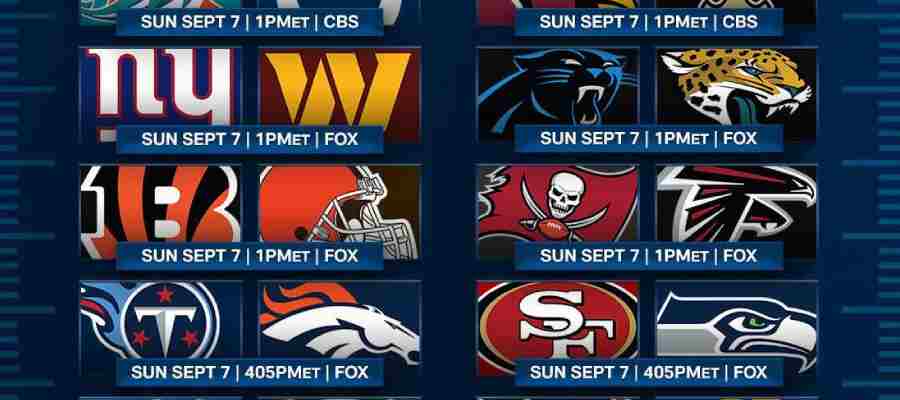
NFL Week 1 Value Bets are everywhere, and the smartest bettors know that tracking public money versus sharp money is the key to turning market noise into profitable plays.
Why Public Money NFL Trends Unlock Week 1 Betting Edges
The opening week of the NFL is a bettor’s playground.
Oddsmakers post lines based on limited data, casual fans overreact to preseason hype, and the betting market is flush with inefficiencies.
For anyone looking to find value bets NFL Week 1, there’s no better starting point than tracking where the public is putting its money—and how sharp bettors respond.
By understanding public money NFL patterns, you can turn the market’s noise into actionable edges.
Understanding Public vs. Sharp Betting in NFL Week 1
Betting comes down to public money versus sharp money.
Public bettors, casual fans, Grandma throwing dollars behind the Chiefs because of Patrick Mahomes, bettors like that, wager based on reputation, word of mouth, and the media.
Sharp bettors always look for value because they make massive bets.
Data driven models and sometimes inside info drive sharp money.
The divide between sharp money and public dollars is especially noticeable in Week 1, when NFL odds are most fragile and sportsbooks are still calibrating.
In other words, if you’re only tracking the line itself, you’re missing half the story.
Week 1 public betting trend analysis reveals where the crowd is leaning, but it’s often the opposite side—backed by sharper players—that holds real value.
| Team | % of Bets (Tickets) | % of Money | Sharp Differential |
|---|---|---|---|
| Cowboys | 70% | 45% | -25% (Sharps on Opponent) |
| Packers | 35% | 60% | +25% (Sharps on Packers) |
Spotting the Edge—Reverse Line Movement & Betting Splits
This is where tools like reverse line movement NFL tracking and betting splits come in.
Betting splits show the percentage of tickets vs. percentage of money wagered.
If 75% of tickets are on one team but only 55% of the money follows, that’s your first sharp indicator: bigger, smarter wagers are backing the other side.
Reverse line movement takes it further.
Imagine the Dallas Cowboys open at -3 and receive 70% of bets, but the line drops to -2.5.
That’s classic RLM.
The books aren’t reacting to the crowd—they’re respecting sharp wagers hitting the other team.
By combining betting splits with reverse line movement NFL insights, you can pinpoint where professional bettors are creating market shifts.
Quick Answer
What is reverse line movement? Reverse line movement happens in sports betting when the betting line moves in the opposite direction of the majority of bets placed.
Why does reverse line movement matter? It can indicate that sharper or larger wagers are influencing the market, even when most tickets are on the other side.
NFL Week 1 Trends You Don’t Want to Miss
So how do you apply this in Week 1?
Start with the basics:
- Check betting splits.
If public money NFL numbers show lopsided tickets, look for mismatches with money percentages. - Monitor reverse line movement.
A line moving against the majority is often a neon sign of sharp influence. - Look for sharp differential.
Anything over 15–20% between ticket count and money is worth your attention.
These patterns often uncover NFL odds value that sportsbooks can’t hide.
By learning how to exploit public money, you’ll spot contrarian NFL Week 1 bet opportunities where the crowd is leaning one way, but the smart side is clear.
Don’t forget to compare across books.
Bettors who consistently study broader NFL betting trends understand that market timing, public perception, and line movement all work together to create value opportunities throughout the season.
Locking in the best number is just as critical as picking the right side. Understanding NFL closing line value (CLV) can help you measure whether the price you took was better than the market’s closing number.
Contrarian Betting: Public vs. Sharps Tug-of-War
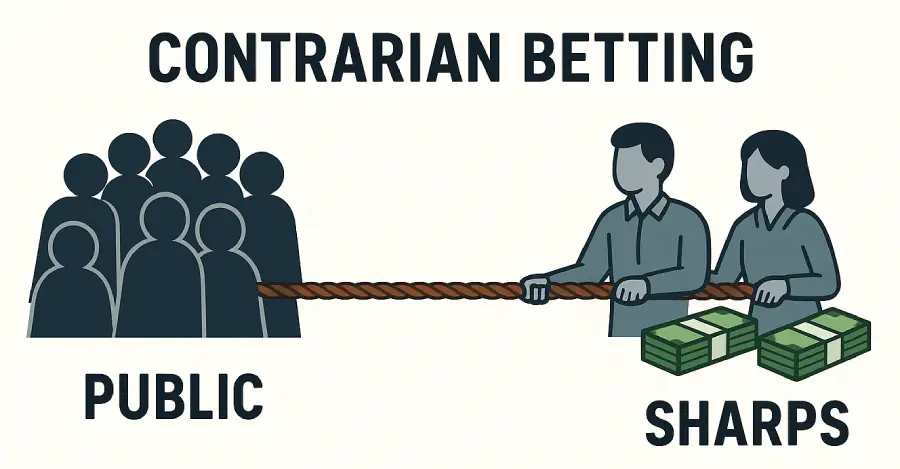
How does contrarian betting work? Contrarian betting involves looking beyond the majority of public wagers and considering whether the market signals point toward the opposite side.
When public betting is heavily concentrated on one team but the line moves against that team, the combination can provide a useful signal for bettors evaluating potential value.
For a deeper look at this approach, read our guide to the Contrarian Betting Strategy.
Quick Checklist Before Betting (Week 1 Edge Formula)
Before firing your first bet, run through this simple NFL betting checklist Week 1:
- Compare NFL Week 1 betting splits—tickets vs. money.
- Confirm reverse line movement NFL action where the line shifts against the public.
- Spot sharp differentials of 15% or more.
- Hunt for NFL odds value across multiple sportsbooks.
- Follow your sharp vs public checklist before locking in your play.
Ready to take advantage?
Our full NFL betting page has every NFL Week 1 line, updated splits, and tools to sharpen your edge.
Final Word: Public Money is Not Just Noise
It’s a map to value.
By pairing NFL Week 1 public betting trend analysis with sharp indicators, you’ll know where the market is vulnerable and how to exploit it.
Don’t just bet Week 1—bet it smarter.
Bet Smarter This NFL Season
So whether you’re backing the favorites or spotting value underdogs, remember—understanding NFL spreads turns close games into covers and smart bets into real profits.
That’s before, during, and after every snap!
MyBookie: Bet On Anything. Anywhere. Anytime.
Important: Sports betting involves risk. No strategy guarantees results, and managing exposure is essential.

About the Author

Since 2008, D.S. Williamson has written about sports and sports handicapping. His philosophy is value-based, meaning statistics and other handicapping factors are only useful when compared with the available wagering odds. He believes bankroll management and consistently making value-based wagers are the most important factors separating successful sports bettors from unsuccessful bettors.
Sportsbook Bonuses
Read requirements in the Bonus page. However, if you want to take a deep knowledge, go to MyBookie Bonus Rules and How to


🔍 Explore Everything you Need to Know aboout your Licensed, Trusted Home For Casino and Sports Since 2014
👉 Gamble responsibly—must be 21+ and in a Legal Jurisdiction | Get Help at 1-800-Gambler