English
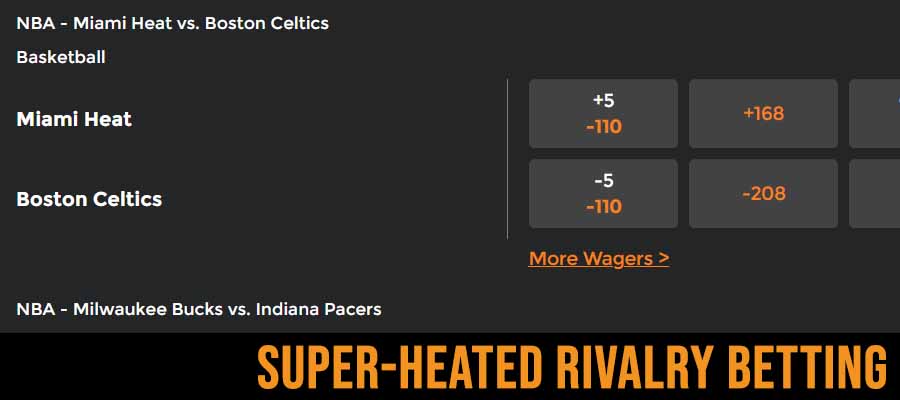
This is important, when it comes to rivalry game betting, there is nothing more exhilarating and equally risky than wagering on heated matchups.
From unmatched emotions, these games can be very confusing to bet on, making rivalry games a unique challenge.
Here are a few online sportsbetting tips that can be used by handicappers when betting on rivalry games.
Editorial Note
This content explains how team motivation, rivalry history, public bias, home-field advantage, and market volatility can affect rivalry game betting. It is intended for educational purposes only and does not guarantee winning wagers or profitable results.
Quick Answer
The best strategy for betting on rivalry games is to separate emotion from evidence, analyze team form, injuries and past meetings, watch for public bias in the odds, and use smaller stakes because these matchups can be unusually volatile.
Table of Contents
- Editorial Note
- MyBookie Teaches You Optimal Strategy For Super-Heated Rivalry Game Betting
- Learning About Rivalry Games
- What Is Rivalry Betting Explained
- Rivalry Sports Betting Fundamentals
- How Do Rivalry Games Differ from Regular-Season Games?
- How Should I Bet on Home Underdogs in Rivalry Games?
- How Should I Bet Against Overrated Favorites?
- Rivalry eSports Betting Strategies
- Rivalry Online Betting Approaches
- Advanced Rivalry Betting Techniques
- Rivalry Esport Betting Analysis
- Risk Management in Rivalry Betting
- Common Rivalry Betting Pitfalls
- Betting Conclusion on Betting Strategy For Rivalry Games
MyBookie Teaches You Optimal Strategy For Super-Heated Rivalry Game Betting
Sports Betting 101: The Proven Path that Guarantees an Edge!
How to Bet on Sports | MyBookie wants you to be a better gambler with our Sports Betting Guide
Learning About Rivalry Games
Rivalry games carry emotional weight compared to other matchups.
Emotions run high, and teams often exceed expectations. These games require different strategies than regular matchups.
Betting on rivalry games can be unpredictable. Teams may ignore recent form and deliver surprising results.
This makes understanding key factors crucial for success. By analyzing motivation, betting angles, and game trends, this will improve their chances of winning.
It is essential to learn how to identify value and adjust during live betting.
Understanding team dynamics, coaching strategies, and injury impacts can add even more insight when wagering on these intense games.
Betting Rivalries in Sports
Rivalry games aren’t just games.
They’re events—loud, heated, and emotional. Fans circle them on calendars months in advance.
Players save their best energy for them. And for bettors? These contests are equal parts opportunity and landmine.
Rivalry betting means walking into a storm where form, logic, and numbers don’t always hold.
The upside is real, but so is the chaos.
What Is Rivalry Betting Explained
Let’s start with the obvious: what is rivalry betting?
It’s wagering on matchups with history—where pride and grudges matter as much as standings.
Think Yankees–Red Sox, Barcelona–Real Madrid, or long-time eSports rivals clashing again.
In games like these, you can’t just trust season averages. Rivalry betting is about catching those differences before the line does. Because rivalry games exaggerate market behavior, understanding the mechanics behind major-event betting is critical. Our guide on how Super Bowl betting works explains how odds, pricing pressure, and live markets behave when emotion and betting volume peak—conditions that closely mirror rivalry matchups. Even with all the drama, the basics still count. Rivalry sports betting starts with homework: team form, injuries, and stats. If you’re still learning the basics, these lessons on how to start sports betting provide a solid foundation before you add rivalry-specific factors like past meetings, revenge angles, and home-field intensity. Underdogs often punch above their weight, especially in front of home fans. Favorites sometimes tighten up. That’s the unique twist—you’re betting on passion as much as talent. If you’ve ever watched a rivalry, you know the psychology runs hot. Adrenaline pushes players further, but nerves also lead to mistakes. Coaches might gamble more than usual. A big hit, a turnover, or one early goal can flip everything. Numbers tell one story, but the mental side tells another. Bettors who pay attention to that? They’re ahead. Markets behave strangely in rivalry week. Fans pour money on their team no matter the odds. That tilts lines. Totals creep higher. Spreads inflate. It’s not about probabilities anymore—it’s about emotion flooding the market. Sharp bettors sit back, wait, and take advantage when the line gets out of hand. Rivalry betting often rewards patience more than quick action. Rivalry games turn familiar opponents into emotional pressure cookers—but the data still matters. In a typical regular-season matchup, current form, roster strength, injuries, rest, and statistical efficiency usually shape the handicap. A rivalry adds another layer: repeat familiarity, revenge, coaching history, crowd intensity, and the pressure attached to winning bragging rights. Because the teams know each other so well, tactical surprises may be harder to produce. Underdogs can also play with greater urgency, while favorites may feel additional pressure to control the game or deliver a convincing win. The betting market can become more emotional, too. Loyal fans often back their team regardless of the price, allowing public money to inflate a favorite, move a spread, or push a total beyond what the matchup supports. That does not mean every rivalry belongs to the underdog. Better teams do not suddenly stop being better. The key is to treat rivalry history as a modifier—not as a complete betting system—and determine whether the emotion has created genuine value in the odds. Motivation matters when it changes how players and coaches behave—not simply because a matchup has a famous rivalry label. Players may compete with more aggression, take greater risks, or react emotionally after an early mistake. Depending on the sport, that intensity can produce penalties, fouls, turnovers, defensive lapses, or a faster pace than the pregame numbers suggested. Coaches can influence the psychological battle as well. Some introduce unexpected formations, shorten rotations, or make more aggressive in-game decisions. Experienced teams are often better equipped to remain composed, while younger squads may struggle once the atmosphere becomes chaotic. Bettors should look for evidence that motivation will affect performance. Lineup decisions, recent confrontations, coaching comments, disciplinary history, and the way each team handled previous high-pressure games provide more useful information than emotion alone. If the opening minutes reveal a pace or level of aggression that the pregame market missed, live betting may offer a better opportunity than forcing a wager before the game begins. Follow the signals from the matchup to the market before deciding whether to bet the favorite, back the underdog, wait for live odds, or pass. Identify repeat familiarity, revenge, coaching tension, crowd intensity, and the importance of the matchup. Compare current form, injuries, rest, efficiency, matchup style, and previous meetings before trusting the narrative. Check the opening line, current odds, public favorite tax, key numbers, and the difference between the spread and moneyline. Back the underdog, fade an inflated favorite, wait for a live opportunity, reduce the stake, or pass when no edge remains. A home underdog becomes attractive when the sportsbook line exaggerates the talent gap and fails to account for a genuine home-field advantage. Do not bet the home team simply because the crowd will be loud. First determine whether the underdog can compete statistically, whether its most important players are available, and whether the favorite is being overpriced because of reputation or heavy public support. Matchup style matters. A disciplined defense, strong home record, rest advantage, or ability to slow the pace can help an underdog keep the contest close. Familiarity can also reduce the favorite’s tactical edge because the home team already knows its opponent’s preferred approach. Compare the point spread with the moneyline before betting. If the underdog is likely to stay competitive but has a limited chance of winning outright, taking the points may offer better protection. If your analysis shows a realistic path to an upset, the moneyline can provide the larger return. College rivalries deserve particular attention because campus atmosphere, travel, and senior-night emotion can affect performance. That can create opportunities in college football betting and college basketball betting, but those factors may already be reflected in the line. The home puppy can be tempting, but price still decides the bet. If the sportsbook has already adjusted too far for rivalry hype, passing is the sharper play. An overrated favorite is a price problem—not necessarily a bad team. A popular favorite can win the game and still be a poor wager if the spread or moneyline demands more than its realistic performance supports. Teams with large national followings often attract automatic action in the NBA, NFL, MLB, NHL, college football, and college basketball. In rivalry games, that public loyalty can become even stronger because fans are betting on the logo, history, and bragging rights as much as the matchup. Look for situations in which the favorite’s reputation has moved the price beyond the supporting evidence. Early-season hype, a recent blowout win, revenge narratives, injury uncertainty, difficult travel, short rest, or reduced motivation can all create a gap between public perception and actual probability. Do not fade a favorite automatically. Compare the opening line with the current number, build your own fair price, and identify what the market may be overvaluing. The underdog becomes playable only when the matchup and available odds support the same conclusion. Finally, decide whether to oppose the favorite against the spread or on the moneyline. If the favorite is still likely to win but the margin appears inflated, take the points. If the favorite is vulnerable enough to lose outright, the underdog moneyline may offer better value. The goal is not to prove that the public is wrong about the better team. It is to recognize when bettors are being asked to pay too much for that team. It’s not just traditional sports anymore. Rivalry eSports betting has carved its own space with teams like G2, T1, or FaZe Clan build years of history. When they meet, the chat explodes, fans swarm the books, and the pressure hits the players. eSports adds another wrinkle: tilt. One mistake snowballs into two, and suddenly the better roster looks lost. Smart rivalry esport betting means tracking patch changes, map picks, and player mindset—not just the scoreboards. Most wagers today happen online, which changes the rhythm. Sportsbooks love rivalries—they pump out promos, boosts, and free bets. That’s great if you know how to use them. Rivalry online betting works best with discipline: use cash-out features, take advantage of live lines, but don’t get sucked into chasing every momentum swing. Digital platforms make it too easy to fire off extra bets. The trick is knowing when not to click. Want to level up? Look at contrarian plays. If the public is hammering one side, consider the other. Check travel schedules, rest days, even weather. In college sports, check if exams just ended or if a coach has been under fire—little things matter in emotional spots. Rivalry betting is about hunting for edges others overlook while the crowd chases headlines. We mentiond contrarian plays before, so here you can some info on the contrarian betting strategy, learn what is it and how to use it for sports betting. Zooming in again on eSports: rivalry esport betting needs more than surface-level research. Chemistry between teammates can tilt a match and one confident in-game leader can calm a squad under fire. Meta shifts—like a balance patch favoring certain heroes or weapons—swing rivalries fast. History matters, yes, but so does adaptability. That’s where sharp bettors find value. Here’s the hard truth: rivalry games are volatile. You can handicap perfectly and still watch chaos blow it up. That’s why bankroll discipline matters. (What is Bankroll Money Management?) Lower your stake size and spread bets across props and totals. Don’t overexpose yourself just because the game feels “bigger.” Rivalry betting should be part of a long-term strategy, not a one-night roll of the dice. Mistakes happen fast. Bettors ride momentum too hard, thinking recent form guarantees the same result. Others bet with their heart, backing their favorite team in a rivalry no matter the sportsbook odds. Or they go all-in chasing one dramatic narrative. Rivalry betting punishes that kind of tunnel vision. The fix? Stay neutral and treat the game as numbers and tendencies, not as a fan in the stands. Rivalry games present unique betting challenges. Emotional intensity and unpredictable outcomes require careful analysis. Bettors should look for value in underdogs, live betting opportunities, and key trends. Prop bets can also provide strong opportunities if bettors identify motivated players. Coaching experience, recent momentum, and defensive strength are important factors to consider. By applying these strategies, bettors can improve their chances in super-heated rivalry games. In conclusion, it is important to note that betting trends tend to be sharper in college games than in the pro sports. That is why teams in college can go on ridiculously long winning and losing streaks than in the professional side of things. This is based on the fact that the margin for error is often very small in the pros. While considering the rivalry tips detailed above, you must ensure that you also take into account this aspect of sharp trends in college games than in the pros. And, above everything, always remember that activities like recruitments, drafts and trades can have a huge impact on teams just in the same way injuries and suspension have an effect on performances. So due consideration must be given to such factors when handicapping super-heated rivalry games. MyBookie: Bet On Anything. Anywhere. Anytime. Since 2008, D.S. Williamson has written about sports and sports handicapping. His philosophy is value-based, meaning statistics and other handicapping factors are only useful when compared with the available wagering odds. He believes bankroll management and consistently making value-based wagers are the most important factors separating successful sports bettors from unsuccessful bettors. Sportsbook Bonuses Read requirements in the Bonus page. However, if you want to take a deep knowledge, go to MyBookie Bonus Rules and How toRivalry Sports Betting Fundamentals
Fundamentals of Rivalry Betting vs. Regular Betting
Factor
Regular Game Betting
Rivalry Game Betting
Emotional intensity
Moderate
Extreme (players & fans)
Market behavior
Balanced
Fan-driven; tilted lines
Underdog performance
More predictable
Often overperforms
Impact of history
Limited
High (revenge, grudges)
Primary betting edge
Stats & form
Psychology + contrarian angles
Psychology of Rivalry Games
Rivalry Betting Market Behavior
How Do Rivalry Games Differ from Regular-Season Games?
How Do Team Motivation and Psychological Factors Affect Rivalry Games?
Turn Rivalry Emotion Into a Measured Betting Decision
Read the Rivalry
Test the Numbers
Inspect the Price
Choose the Response
How Should I Bet on Home Underdogs in Rivalry Games?
How Should I Bet Against Overrated Favorites?
Key Rivalry Betting Strategies
Strategy
Why It Works in Rivalries
Analyze past meetings
Emotional history and matchup quirks tend to repeat.
Consider revenge factor
Teams raise intensity after prior losses to the rival.
Fade public bias
Heavy fan money inflates favorites; value on the other side.
Target props & totals
Chaos creates edges away from the main spread/ML.
Lower stake size
Higher volatility demands tighter bankroll control.
Rivalry eSports Betting Strategies
Rivalry Esports Betting Factors
Factor
Impact on Rivalries
Map picks / side choice
Draft/order can swing series outcomes in close rivalries.
Patch / meta changes
Teams that adapt faster gain sudden edges.
Player tilt
Pressure amplifies mistakes; snowball risk increases.
Team chemistry / IGL leadership
Calm shot-calling stabilizes tense moments.
Fan hype
Market inflation from fandom creates contrarian value.
Rivalry Online Betting Approaches
Advanced Rivalry Betting Techniques
Rivalry Esport Betting Analysis
Risk Management in Rivalry Betting
Common Rivalry Betting Pitfalls
Common Rivalry Betting Pitfalls
Mistake
Why It’s Risky
Betting with your heart
Fan bias clouds judgment and price sensitivity.
Chasing one narrative
Rivalries rarely follow a single storyline.
Ignoring market shifts
Public money distorts odds; you miss contrarian spots.
Overexposing bankroll
Volatility magnifies losses during swings.
Assuming recent form = outcome
Emotions can override form; variance spikes.
Betting Conclusion on Betting Strategy For Rivalry Games
About the Author